 Start the conversation

After harm
Something happened. It was investigated, or it wasn’t. Either way, the people are still there and so is the damage.

What comes next
Organisations are well equipped to establish what occurred and who was responsible. They are much less equipped for what comes next: the working relationships that have to continue, the people who witnessed it, the team that has quietly divided, the person who was harmed and has been given an outcome but not a resolution.
Restorative practice is built for exactly this. It brings the people affected into a facilitated process that focuses on what happened, who has been affected and what would help, rather than on blame, which the formal process has already dealt with.
How it works
Every engagement is different, but the shape is consistent.
We start with separate conversations. Everyone affected is met individually, and nobody is brought into a room they have not chosen to enter. This stage often takes longer than people expect, and it is where most of the work happens.
Then, where it is right, we bring people together. Sometimes that is everyone; often it is not. Some processes never involve a face to face meeting and still resolve. What matters is whether it helps.
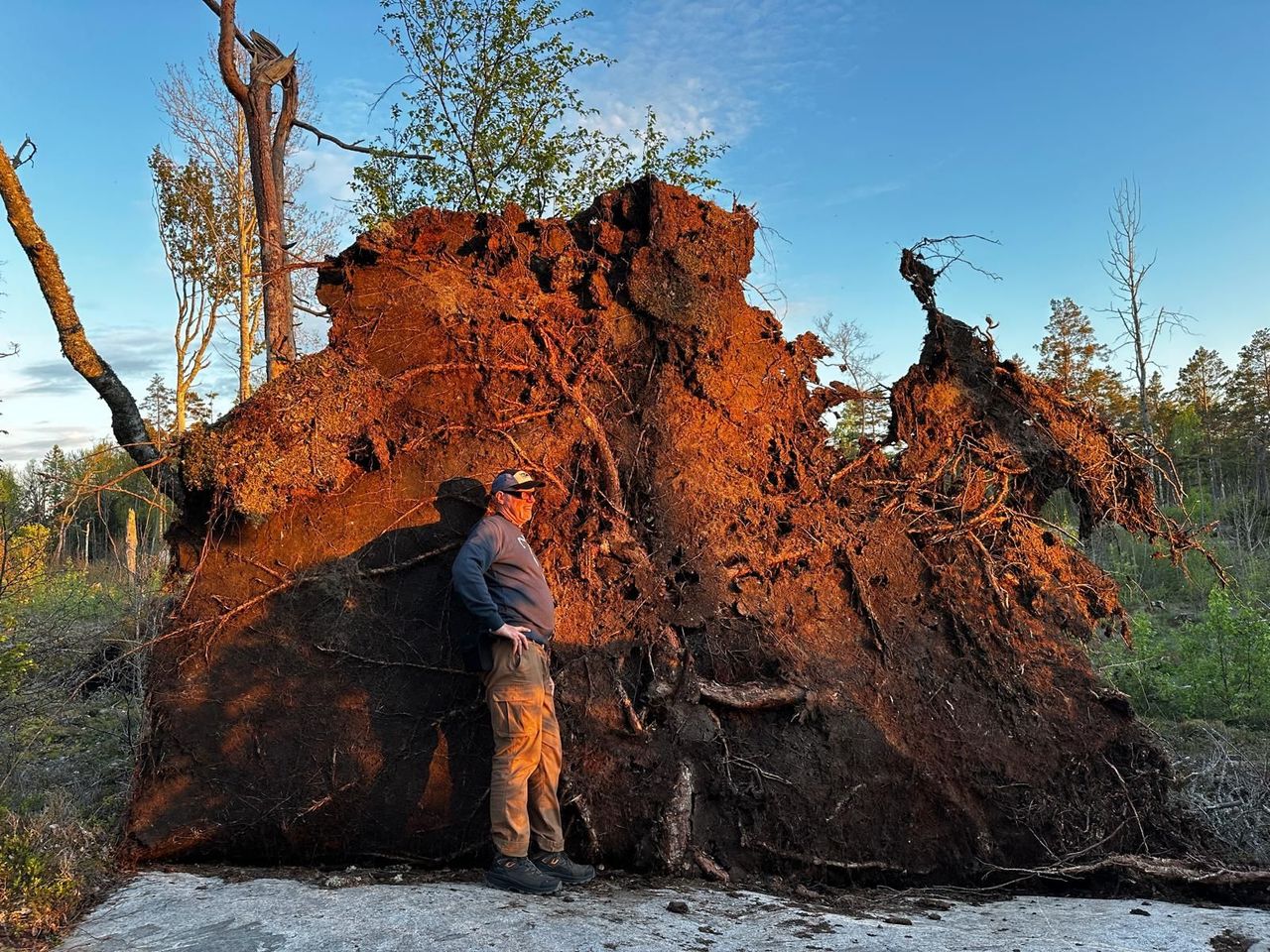
We work outdoors where we can.
Afterwards, we agree what has been decided and who is responsible for it, and we come back to check it has been done as agreed.
What I bring, and what I don’t
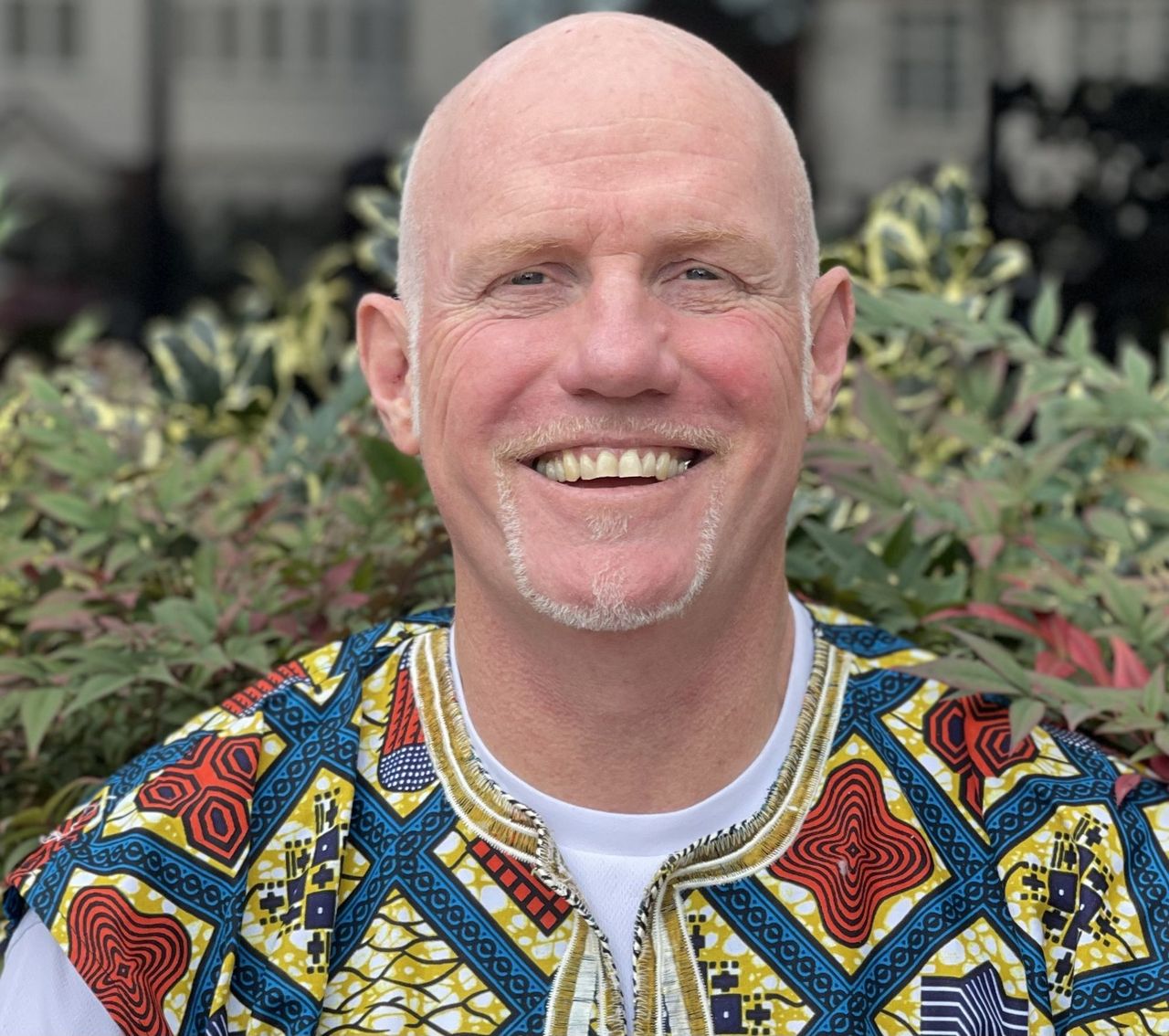
I spent ten years doing restorative work inside secure forensic mental health services, with people who had caused very serious harm and with the people affected by it. In 2022 I became the first restorative justice practitioner employed by the NHS in forensic mental health. I am a Registered Advanced Practitioner with the Restorative Justice Council, and my work on restorative practice has been published nationally and internationally.
I am not an HR consultant and I will not pretend otherwise. I have not run your grievance procedure and I do not advise on employment law. What I bring is restorative practice itself, and the principles hold wherever people have harmed each other, which in my experience is everywhere.
My stance is simple: this is done with people, not to them. I am not there to deliver a verdict or to fix your organisation. I am there so that the people involved can arrive at answers that are genuinely their own.
Fin approached the whole process with kindness, sensitivity, empathy and respect. He was also non-judgemental. His aim was bringing [us] together in a safe space. After several meetings and ground rules we finally met, and this was a very emotional moment in both our lives and our relationship.
Where I can and cannot work
I work either side of a formal process, not during one.
If something has been raised but not yet gone far, and everyone involved consents, I can often work restoratively instead. That is usually better for the people in it and considerably less costly than the alternative. It is the point at which I am most useful.
Once a process has closed, I can work with what it left behind. Formal procedures are built to establish facts. They are not built to help anyone feel seen or heard, and that gap is what restorative practice is for.
What I cannot do is work inside a live grievance or open litigation. While a process is running, everyone is protecting a position, and this work needs the opposite of that.
One more thing
Mend it, then prevent it
One more thing, and I would rather say it now than at the end of an invoice.
If this has happened once, the conditions that produced it are still there. The most useful thing I do is not the resolution. It is what comes after, when a few of your people learn to have this conversation themselves, months earlier, without me.